PPSR Report: Essential Insights for Safe Used Car Purchases in Australia
Buying a used car often involves uncertainty about its past. A Personal Property Securities Register (PPSR) report provides factual insight into a vehicle’s history so buyers can make informed decisions. It records finance status, ownership history and reported incidents to help avoid common pitfalls. This article explains what a PPSR report covers, how to run a vehicle history check, the key information included, and why regular checks matter for secure transactions.
What is a PPSR Report and Why is it Crucial for Used Car Checks?
A PPSR report is an official record that lets prospective buyers verify a vehicle’s financial and ownership history. It reveals encumbrances such as outstanding finance or major accident classifications. Skipping a PPSR check can lead to costly outcomes, including buying a written-off vehicle or one with undisclosed debts. Learning to read the report reduces the risks associated with a used-car purchase.
How Does a PPSR Vehicle History Check Work in Australia?
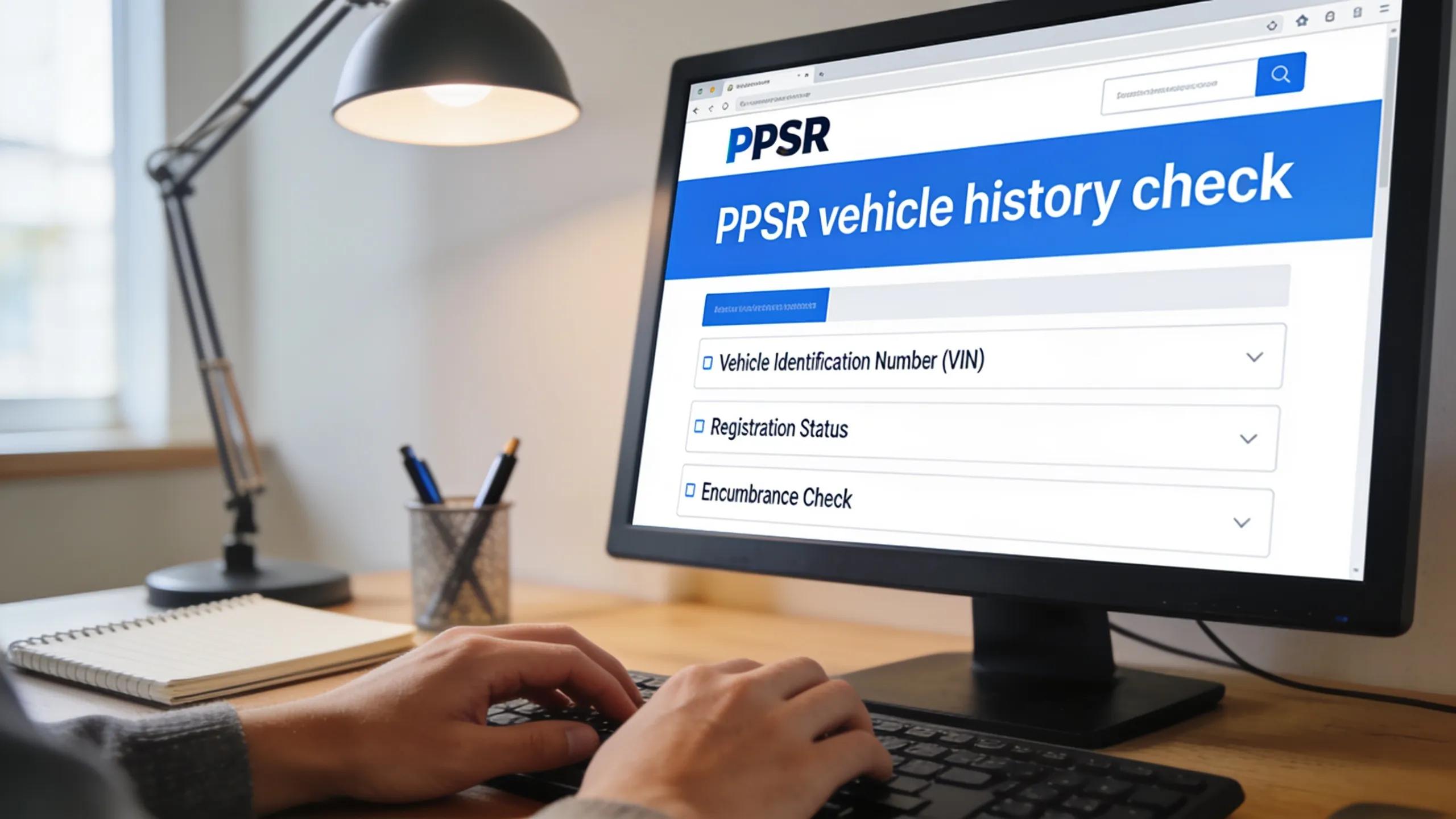
A PPSR check is usually completed online using the vehicle identification number (VIN) or registration details. Enter these on the PPSR portal to generate a report listing the vehicle’s financial status and any registered legal claims. Use the report to confirm the vehicle is not stolen and that its ownership record is clear.
Which Vehicle Information Does a PPSR Report Include?
A PPSR report contains several critical elements. The primary items covered include:
- Accident history details: Information about any accidents the vehicle has been involved in, helping buyers assess the vehicle’s condition.
- Title status information: Verification that the vehicle is titled correctly and without any legal complications.
- Service records: An overview of the car’s maintenance history, which is crucial for understanding its overall reliability.
Together, these details give buyers greater confidence when assessing a vehicle.
How to Check Car Finance and Ownership History Using PPSR Reports
Checking finance and ownership via a PPSR report involves a few straightforward steps:
- Obtain the vehicle’s VIN: This identification number is essential for retrieving accurate data.
- Submit a request through the PPSR database: This can typically be done online for a modest fee.
- Review the information provided: Assess whether the vehicle has any outstanding financial interests or legal claims.
Following these steps helps ensure the vehicle has a clear history and is not subject to legal claims.
What Does Vehicle Finance Status Mean on a PPSR Check?
The finance status shows any registered security interests against the vehicle, such as outstanding loans. An encumbrance indicates the seller may not have full authority to transfer ownership. Confirming the finance status helps prevent disputes and potential financial loss after purchase.
How to Verify Car Ownership History for Safe Transactions?

Verify ownership by requesting the PPSR report, confirming the seller matches the recorded owner, and checking for anomalies such as identity discrepancies or unexpected ownership changes.
- Request the PPSR report: The report will detail all registered owners and any changes in ownership.
- Cross-check with the seller: Confirm the seller matches the current owner shown on the PPSR report.
- Look for red flags: Such as discrepancies in the owner’s identity or unexpected changes in registered owners.
These checks reduce the risk of buying a vehicle with contested ownership.
Understanding Accident and Condition Reports in Australian Used Car Checks
Accident and condition reports record incidents that have affected the vehicle, including collisions, salvage classifications and repairs. Reviewing these records helps buyers assess whether the car’s condition and history match its asking price and safety expectations.
How Can PPSR Reports Help You Avoid Common Used Car Scams?
PPSR reports help prevent common used-car scams by revealing discrepancies and registered claims. Common scams include:
- Cloned vehicles: Where stolen cars are masked with false documentation.
- Odometer fraud: Misleading information about the car’s actual mileage.
- Hidden financial debts: Encumbered vehicles can lead to significant post-purchase issues.
A PPSR check enables buyers to verify vehicle identity and financial status, supporting a well-informed purchase.
Why Regular PPSR Checks Increase Safety in Used Car Purchases?
Regular PPSR checks improve safety in used-car transactions. Making them part of routine vehicle assessments delivers clear benefits:
- Informed buyer decisions: Consistent checks allow for a clearer understanding of vehicle history.
- Legal protections: Buyers can avoid liabilities associated with undisclosed debts.
- Peace of mind: Knowing the vehicle’s complete history reduces the risk of unpleasant surprises post-purchase.
Regular checks protect your investment and reduce the likelihood of costly surprises.
Using reputable services such as CarsDNA for PPSR reports provides additional assurance. CarsDNA offers vehicle history reports tailored to the Australian market, detailing finance status, accident history and ownership records. Relying on these reports supports a smoother, safer purchase process for prospective used-car buyers.